

Blogs
What's New Trending
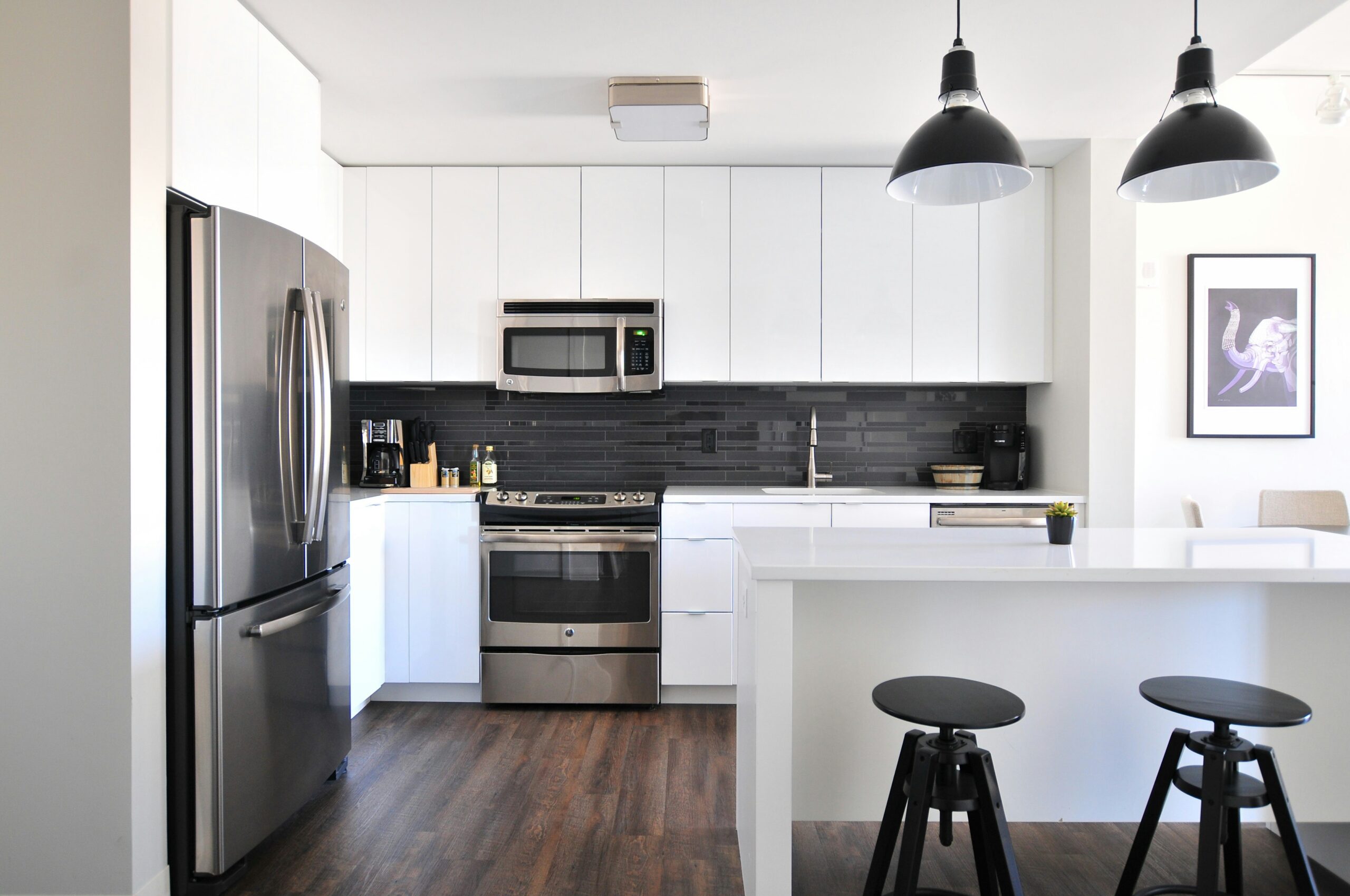
The Nigerian real estate landscape is undergoing a profound transformation. Walk into many new homes in Lagos, Abuja, or Benin City today, and you might notice a peculiar uniformity—white walls, glass tables, neutral-coloured sofas, LED strip lights, and framed minimalist art. This aesthetic, once reserved for hotels, has become the hallmark of a growing phenomenon: the shortlet apartment. But beneath the surface of this design trend lies a fundamental question that every property seeker and investor must grapple with: what is the real difference between a traditional apartment and a shortlet?
The distinction is not merely semantic. It touches on everything from financial commitment and lifestyle flexibility to the very meaning of “home” in contemporary Nigeria. As more landlords withdraw their properties from the long-term rental market and convert them into short-term lets, understanding these differences has never been more critical. This article provides a comprehensive exploration of apartments versus shortlets, with particular attention to the Edo State property market, drawing on real-world examples and expert insights to help you make informed decisions.
A traditional apartment rental, in the Nigerian context, is a property leased to a tenant for an extended period—typically one to two years. The landlord hands over the keys, collects rent—often one or two years’ worth upfront—and hopes the tenant pays on time, maintains the property, and causes no trouble. This model, deeply embedded in Nigerian culture, represents stability. It is the arrangement most families know: a place to call home, to personalize with family pictures and cherished possessions, and to return to day after day.
The rental agreement is formalized through a tenancy agreement, locking both parties into a fixed-term commitment. For the tenant, this means predictability in housing costs and the freedom to make the space their own. For the landlord, it means steady, predictable income without the hassle of constant guest turnover.
A shortlet—also known as a short-term rental, serviced apartment, or “home away from home”—is a fully furnished apartment rented for a brief period. The duration can range from a single night to a few days, weeks, or a couple of months. Think of it as a hotel alternative situated within a residential building. Unlike traditional rentals, shortlets are managed by landlords or operators who handle bookings, cleaning, utilities, and guest communication.
A shortlet apartment, also called a short-term apartment or vacation rental, is a fully furnished residential unit made available for temporary stays, typically ranging from a few days to a few months. These properties are ideal for tourists, business travelers, or individuals in need of temporary accommodation. In Edo State, for example, Bella Homes NG in Benin City’s GRA has been a pioneer in short-let apartment services since 2012, offering stylishly furnished homes for both short-term and long-term stays.
The most obvious distinction lies in the length of occupancy. Traditional rentals lock tenants into leases of one to two years. This long-term commitment provides stability but limits flexibility. A shortlet, by contrast, offers stays as short as a single night. This flexibility is particularly appealing to travelers, expatriates, and Nigerians in the diaspora who visit home for weeks or months at a time.
Shortlets are fully furnished and move-in ready. They come equipped with everything from furniture and linens to kitchenware and often include utilities like electricity, water, and internet in the rental price. This eliminates the hassle of setup and teardown.
Traditional apartments, conversely, are typically unfurnished or partially furnished. Tenants must bring their own furniture, appliances, and personal effects—an investment of both money and effort. As one industry observer notes, shortlets require “no deposit, less paperwork, and no notice period with the rent”.
The payment structures could not be more different. Traditional rentals demand substantial upfront payments—often one or two years’ rent in advance. In Lagos or Abuja, this could mean paying anywhere from ₦1.2 million to ₦3 million or more, depending on location and apartment size.
Shortlets, on the other hand, operate on a pay-as-you-stay basis. Guests pay only for the exact number of days or weeks they occupy the property. This lower barrier to entry makes shortlets accessible to a broader range of users but also means income for landlords is variable and dependent on occupancy rates.
The operational demands of each model are vastly different. A traditional rental requires minimal ongoing management once the tenant is in place. The landlord collects rent and intervenes only for major maintenance issues.
A shortlet, however, demands hands-on, daily management: constant cleaning, furnishing upkeep, guest communication, complaint resolution, and the ever-present risk of cancellations. The landlord or operator must manage bookings across multiple platforms and maintain the property to hotel-like standards. This intensive service requirement is a key differentiator between the two models.
The legal distinctions are equally significant. A traditional rental creates a tenancy relationship with all the protections and obligations that entails—notice periods, rent control provisions, and eviction procedures.
Shortlets operate under a different legal framework, often characterized as a license rather than a tenancy. This gives property owners greater flexibility but fewer protections for guests. The distinction hinges on the arrangement’s specifics, including exclusivity of use and the nature of the occupancy.
The financial calculus is perhaps the most compelling reason behind the surge in shortlet conversions. The numbers often speak for themselves. Consider a realistic scenario in Surulere: a decent one-bedroom apartment rents for about ₦1.5 million per year, breaking down to approximately ₦125,000 per month. Convert that same apartment into a shortlet at ₦35,000 per night, and with just 15 booked nights in a month, the revenue jumps to ₦525,000. Even after accounting for cleaning, utilities, and internet, the landlord can still clear more than triple what a long-term tenant would pay.
On Lagos Island, the difference is even more dramatic. In Lekki Phase 1, a two-bedroom shortlet can command ₦250,000 per night, depending on furnishings and location. One busy weekend can equal an entire month of rent from a traditional tenant.
Industry experts confirm that short-let apartments in Lagos are generating 100-150% higher returns than traditional rentals. A well-managed shortlet can generate 200% to 300% more revenue than a yearly rental. In Enugu, a one-bedroom apartment rents for ₦40,000 per night, while two-bedroom shortlets go for ₦70,000–₦120,000 per night. In Edo State, three-bedroom short lets in Oredo average ₦180,000 per day.
If shortlets are the flashy newcomers, traditional rentals are the seasoned veterans—tried, tested, and dependable. The rental model offers predictable, steady cash flow. A tenant signs a lease, pays upfront, and the landlord enjoys peace of mind without the daily grind of guest management.
This stability comes at a cost: lower returns. But for many investors, particularly those with full-time careers or multiple properties, the trade-off is worthwhile. The rental model requires less time, less effort, and less tolerance for uncertainty.
The tension between these two models reflects the classic trade-off between risk and reward. Shortlets promise higher returns but demand hands-on management and a tolerance for uncertainty. Rentals promise peace of mind but with slower, steadier growth.
The short-let market offers an average payback period of just eight years, after which investors start enjoying returns on investment. This accelerated path to profitability has made shortlets increasingly attractive to a new generation of property investors.
Traditional apartments appeal to individuals and families seeking stability and permanence. They are ideal for:
The ability to personalize an apartment—to hang family pictures, choose furniture, and create a true home—is a significant advantage of the traditional rental model. As one commentator notes, homes once carried personal touches: framed family pictures, colourful curtains, and souvenirs from trips.
Shortlets attract a different demographic:
Shortlet rental homes offer enhanced privacy and space compared to traditional hotels. For solo travelers, families, or groups, having a whole apartment or house to oneself can make a significant difference in the quality of the stay. They are also often cheaper than hotels while providing more space, more privacy, and more freedom.
For Nigerians in the diaspora, the choice between renting and shortletting is particularly acute. Coming home isn’t just a vacation—it’s an emotional return, filled with weddings, birthdays, church services, family meetings, and sometimes business meetings. But not everyone wants to burden relatives by staying in their homes for weeks. At the same time, renting a full apartment just to stay for a few weeks can feel unnecessary.
Shortlets have emerged as the sweet spot between both worlds, offering convenience and comfort without long-term commitment.
Across Nigeria today, more landlords are quietly withdrawing their properties from the long-term rental market and converting them into short-term lets. This shift did not happen overnight. It grew from economic pressure, lifestyle changes, and the discovery that landlords could earn more money in a shorter time.
Lagos is a city under pressure. The population keeps growing, jobs are concentrated in a few areas, and housing supply is not keeping up. Inflation has driven up building and maintenance costs, as well as basic services like security and power. For landlords, this means fixed yearly rent is no longer as comfortable as it used to be.
The rise of shortlets has influenced not just the rental market but also how Nigerians design their living spaces. Many homeowners now copy the shortlet look: simple, neat, and ready for photos. The idea of having an “Airbnb-ready” home has become popular among young professionals. Interior designers confirm that more clients now ask for “shortlet-style” interiors.
For property developers, this trend is not surprising. Many now build and furnish apartments with the shortlet market in mind. A neutral, minimalist design appeals to more buyers and is easier to rent out. This business logic, however, has consequences. Most new apartments now look almost identical. The focus is no longer on comfort or creativity but on what can attract tenants or guests quickly.
As more landlords convert to shortlets, fewer apartments are available for long-term renters. This trend has significant implications for housing affordability and availability. The tension between short-let apartments and long-term housing is one of the biggest dynamics shaping the Lagos real estate market today.
The question for policymakers and developers is how to balance the lucrative shortlet market against the need for stable, affordable long-term housing. As one observer notes, “the real question here should be; how are developers and policymakers…” addressing this challenge.
Edo Property is a leading online property marketplace in Edo State where users can buy, sell houses, land, and even rent houses and event centers. The platform reflects the broader trends shaping Nigeria’s real estate sector while capturing the unique characteristics of the Benin City market.
Edo State has seen significant growth in shortlet offerings, particularly in Benin City’s Government Reserved Area (GRA). Bella Homes NG, located at 2 Rex Osagiede Avenue, off Osagiede Street, opposite Aideyan Street in GRA, Benin City, offers a blend of modern luxury and comfort. These stylishly furnished homes are designed to provide a tranquil living environment, ideal for both short-term and long-term stays.
Each unit features spacious rooms, contemporary interiors, and modern amenities, ensuring a comfortable and refined lifestyle for residents. With 24-hour security, reliable power supply, and ample parking, Bella Homes NG prioritizes convenience and safety. Its prime location in GRA provides easy access to business hubs, shopping centers, and key landmarks, making it the perfect residence for professionals, families, and visitors to Benin City.
Shortlet listings in Edo range from luxury three-bedroom apartments with swimming pools and en-suite rooms to more modest options. The average price of three-bedroom flats for short let in Oredo is ₦180,000 per day.
While shortlets are growing in prominence, traditional rentals remain the backbone of Edo’s housing market. Properties range from mini flats (one-bedroom apartments) to larger family homes. The rental market in Benin City, like elsewhere in Nigeria, typically requires one to two years’ rent upfront.
Before deciding between an apartment and a shortlet, ask yourself:
For property owners considering which model to pursue:
The distinction between an apartment and a shortlet is fundamental to understanding Nigeria’s evolving property landscape. Traditional apartments offer stability, permanence, and the opportunity to create a true home. Shortlets offer flexibility, convenience, and potentially higher returns for investors.
The choice between the two is not merely financial—it is deeply personal. It reflects how we live, work, and move through the world. For some, the comfort of a long-term rental with personal touches and familiar surroundings is irreplaceable. For others, the freedom and convenience of a shortlet—a “home away from home”—better suits a mobile, modern lifestyle.
As the “shortletification” of Nigerian homes continues, the tension between these two models will only intensify. Developers will build more shortlet-ready apartments. Landlords will continue to convert properties from rentals to shortlets. And tenants and investors will face increasingly complex decisions about where to live and where to invest.
Understanding the differences outlined in this article—in duration, furnishing, payment, management, and legal framework—is the first step toward making the right choice for your unique circumstances. Whether you choose the stability of a traditional apartment or the flexibility of a shortlet, the Nigerian property market offers options for every need and every ambition.