
Blogs
What's New Trending

Designing an event center is a complex and exciting endeavor that combines architecture, interior design, technology, and cultural sensitivity. In Benin City, a city steeped in the rich traditions of the ancient Benin Kingdom, the design of event spaces carries a unique responsibility. As an agent for Edo Property, your trusted property marketplace located at No 5 Textile Mill Road, Benin City, Edo State (contact us at 08124994516) , I have had the privilege of helping property owners, investors, and event planners create and select venues that are not only functional but also beautiful, comfortable, and reflective of our local identity. This comprehensive guide will walk you through every aspect of event center design in Benin City, from architectural concepts and interior decoration to climate-responsive strategies and technological integration. Whether you are planning to build a new event center or renovate an existing space, this article will provide you with the knowledge you need to create a venue that stands out in Edo State’s competitive events industry.
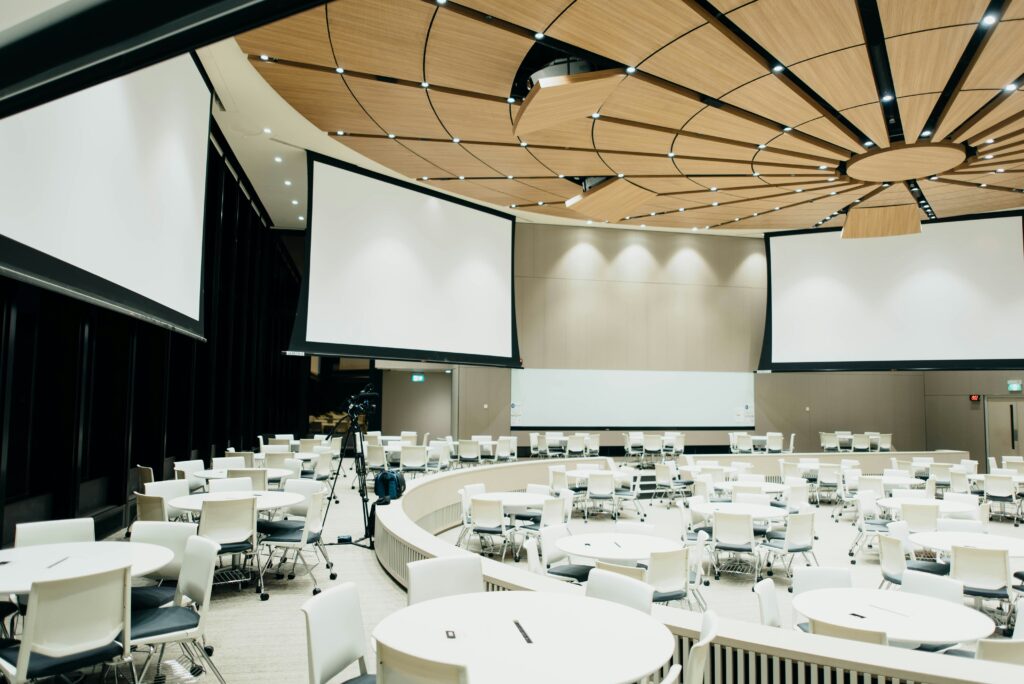
An event center is more than just a large hall. It is a stage for life’s most important moments: weddings, birthdays, corporate conferences, religious gatherings, and community celebrations. The design of the space directly influences the experience of every guest who walks through its doors. A well-designed event center enhances the mood of a celebration, ensures smooth logistics, keeps guests comfortable, and creates a lasting impression. In Benin City, where the weather can be hot and humid, and where power supply can be inconsistent, thoughtful design is not a luxury but a necessity. The best event centers in the city are those that seamlessly blend aesthetics with practicality, tradition with modernity, and luxury with affordability.
The architecture of an event center sets the overall tone and determines how the space functions. In Benin City, architects are increasingly moving away from generic, boxy designs and embracing more sophisticated and culturally resonant styles.
Contemporary Interpretation of Tradition: One of the most exciting trends in Benin City is the use of contemporary architecture to honor the traditions of the Benin Kingdom. A notable example is the Benin City Events Centre, designed by Umar Architecture. The challenge for the architects was to design a complex of buildings that respect the traditions of the Kingdom in a contemporary setting. As their portfolio states, “We did not mimic, rather we interpreted the traditions using the language of contemporary architecture.” The entertainment center is composed of movie theaters, a banquet hall, restaurants, apartments, shopping, and conferencing facilities set around an outdoor arcade of indoor/outdoor spaces. This approach creates a venue that feels both modern and deeply connected to its cultural roots.
Elegant and Sophisticated Architecture: Many of Benin City’s premier event centers, such as the Uyi Grand International Event Centre located in the serene Government Reservation Area (GRA), are renowned for their elegant architecture and versatile facilities. Such venues often feature spacious halls with expansive floors, each capable of accommodating large numbers of guests, and are designed with high-quality finishes like P.O.P. ceilings that add a touch of sophistication.
Modern and State-of-the-Art Designs: The Crown Height Pavilion along Country Home Road in Oka is a prime example of modern architecture in Benin City. It is renowned for its modern architecture and state-of-the-art facilities, standing as one of the top venues for hosting various events in the region. Its design focuses on creating a well-lit, spacious interior that feels both contemporary and welcoming.
Flexible and Multipurpose Layouts: Modern event centers are designed with flexibility in mind. The ability to reconfigure a space to suit different types of events is a valuable feature. The Da Civic Center at 79 Airport Road exemplifies this trend, offering multiple halls tailored to various event sizes and styles, including the Mediterranean Hall, Regal Hall, Atlantic Hall, and Pacific 1, each designed for different capacities and atmospheres. Some centers, like the Uyi Grand Event Centre, offer expansive halls that can be rented separately or together, providing flexibility for different event sizes.
While the architecture provides the shell, the interior design and decor bring the event center to life. The goal is to create an environment that is not only beautiful but also functional and adaptable to the client’s vision.
Elegant and Tasteful Decor: The Rose Garden Event Centre, located in the heart of Giwa Amu Street, GRA, is a stellar example of sophisticated interior design. The centre boasts a sophisticated architectural style, featuring spacious halls adorned with tasteful decor and modern lighting. It also offers a beautifully landscaped garden, complementing the indoor facilities and providing a perfect setting for outdoor ceremonies and receptions.
Lighting Design: Lighting is a critical element of event center design. It sets the mood, highlights architectural features, and can transform a space dramatically. Many venues now incorporate stylish chandeliers, mood lighting, and LED panels to create an upscale ambiance. For traditional-themed events, warm and cultural lighting, such as lanterns or fire torches, can be used to provide a cultural glow. Crown Height Pavilion, for example, features stylish chandeliers and mood lighting that contribute to its upscale atmosphere. The ability to dim lights or change colors is also a valuable feature that allows the venue to adapt to different events, from bright and energetic parties to soft and romantic weddings.
Color Palettes and Fabrics: The choice of colors and fabrics plays a vital role in Nigerian event decor. Rich hues such as royal blue, gold, burgundy, emerald green, and coral are commonly used to symbolize wealth, prosperity, and cultural heritage. These colors are often incorporated into the venue’s fixed elements or used by decorators to customize the space for each event. Fabrics such as Aso Oke, Ankara, and Lace are also frequently used for table runners, chair covers, and drapery, adding a traditional touch to the event’s ambiance.
Backdrops and Stage Designs: The stage or main seating area is the focal point of decor in Nigerian events. Grand backdrops made of flowing fabrics, intricate beadwork, or floral arrangements are common features. For weddings, couples often have customized floral arches or LED-lit panels with their names. Traditional engagements may feature a throne-like setup for the couple, adorned with symbolic elements like talking drums, cowries, or bronze sculptures.
Seating Arrangements: Seating in Nigerian events is often arranged to reflect hierarchy and prominence. VIP sections feature plush sofas or carved wooden chairs with regal upholstery. For a cultural touch, some events incorporate woven raffia mats or intricately carved stools for special guests. The event center’s design should allow for flexible seating configurations to accommodate these cultural norms.
One of the biggest challenges for event center design in Benin City is the hot and humid tropical climate. A venue can be the most beautiful in the world, but if it is uncomfortably hot, guests will leave unhappy. Therefore, climate-responsive design is not an afterthought but a primary consideration.
Mechanical Cooling: The most common approach to climate control in Benin City is the use of powerful air conditioning systems. Many top event centers, such as the Rose Garden Event Centre, are described as being “adorned with big air-conditioners to contain heat during events.” Industrial air conditioning units are essential for keeping large halls cool when they are filled with hundreds of guests, lighting, and sound equipment. The Crown Height Pavilion is noted for its industrial air conditioning, ensuring a cool environment regardless of the weather.
Passive Cooling Strategies: While mechanical cooling is necessary, there is growing interest in integrating passive design strategies that can reduce energy consumption and provide backup comfort. Research on conference centers in humid tropical climates has highlighted the potential of techniques such as stack and cross ventilation, solar-chimney-driven atrium ventilation, optimized shade, and nighttime ventilation. These strategies can significantly lower peak operating temperatures and reduce mechanical cooling demand.
Building Envelope and Shading: The building’s envelope, including walls, windows, and roof, plays a crucial role in its thermal performance. The use of appropriate materials, proper orientation, and effective shading devices can minimize heat gain from the intense tropical sun. Large glazed surfaces with solar shading allow natural light without glare, a feature seen in some modern worship centers that can be adapted for event halls. The design of the Calabar International Convention Center, which involved a subterranean design to use thermal mass for heat regulation, shows the potential of innovative approaches to climate control, even if that specific design was not ultimately built.
Backup Power: Given the challenges of Nigeria’s power grid, a reliable standby generator is a non-negotiable feature of any professionally designed event center. Clients expect that their event will not be interrupted by a power outage. The Uyi Grand Event Centre, for example, is equipped with a standby power plant to ensure uninterrupted service.
Beyond the visual and thermal comfort, a modern event center must be equipped with the technology and amenities that clients have come to expect.
Acoustics: Good acoustics are essential for speeches, live music, and performances. The design of the ceiling, walls, and flooring all affect how sound travels within a space. The International Conference Centre in Awka, for example, was designed with a tall atrium-style interior to support long-span auditoria and excellent acoustics, with suspended ceilings engineered to enhance acoustics for speeches, performances, and presentations. Event centers in Benin City should similarly prioritize acoustic design to ensure that every word from the stage is heard clearly by every guest.
Sound and Lighting Systems: Many top event centers now come with built-in sound systems and professional lighting. The Eko Convention Centre in Lagos, for instance, comes with built-in sound systems, professional lighting, and a roll-away stage with carpeting to enhance sound effects. In Benin City, venues that offer these built-in systems are highly valued because they save clients the cost and hassle of renting external equipment. The Transcorp Hotel’s new 5,000-capacity event centre in Abuja, which boasts cutting-edge acoustics, advanced lighting systems, and modular staging, represents the gold standard that many centers in Benin City are aspiring to meet.
Essential Amenities: Guests expect clean, well-maintained restrooms, ample and secure parking, comfortable changing rooms for the couple, and reliable security services. The Crown Height Pavilion, for example, offers well-maintained restrooms, changing rooms for guests, and security services to ensure guest safety. The availability of a VIP lounge or a private suite for the couple is also a desirable feature.
To understand the future of event venue design in Benin City, one only needs to look at the Edo Arena, also known as Rema’s Dome. This 6,000-seat indoor multipurpose arena, currently under construction on the former Garrick Memorial School grounds along Ekehuan Road, is set to transform the cultural and entertainment landscape of the state. Designed to host concerts, festivals, exhibitions, and conferences, the arena will provide a modern venue for events that previously required temporary setups or out-of-state travel. The facility is designed with flexibility in mind, capable of hosting major concerts, sporting events, trade fairs, and conventions. Its location within Benin City ensures easy access and integration with existing urban infrastructure. While this is a large-scale public project, the design principles it embodies—flexibility, capacity, and integration with the urban fabric—are relevant to private event center development as well.
For those looking to build a smaller, more intimate event center, a clear design concept is essential. A popular design featured on architectural forums is a 200-capacity events hall with a contemporary design and a mezzanine floor. The plot size for such a building is often around 18 by 36 meters. A mezzanine floor adds valuable space that can be used for a VIP section, a lounge, or additional dining area, increasing the hall’s functionality and revenue potential.
If you are considering investing in an event center in Benin City, keep the following design considerations in mind:
At Edo Property, we do more than just list venues. We guide you through the entire process, from understanding the market to selecting the perfect space for your needs. Our office at No 5 Textile Mill Road, Benin City is staffed by knowledgeable agents who can advise you on the design features that matter most to your clients. When you call us at 08124994516, we can help you:
Designing an event center in Benin City is a multifaceted challenge that requires a careful balance of aesthetics, functionality, climate responsiveness, and technology. The best venues in the city are those that offer elegant architecture, flexible layouts, comfortable cooling, and high-quality amenities. From the culturally inspired design of the Benin City Events Centre to the modern elegance of the Rose Garden and Crown Height Pavilion, there are many inspiring examples to learn from.
As you embark on your journey to create or select the perfect event space, remember that Edo Property is your partner. Our deep knowledge of the Benin City market, combined with our commitment to excellence, makes us the ideal agent for your project. Visit us at No 5 Textile Mill Road, Benin City, or call us at 08124994516 to discuss your event center design needs.