

Blogs
What's New Trending
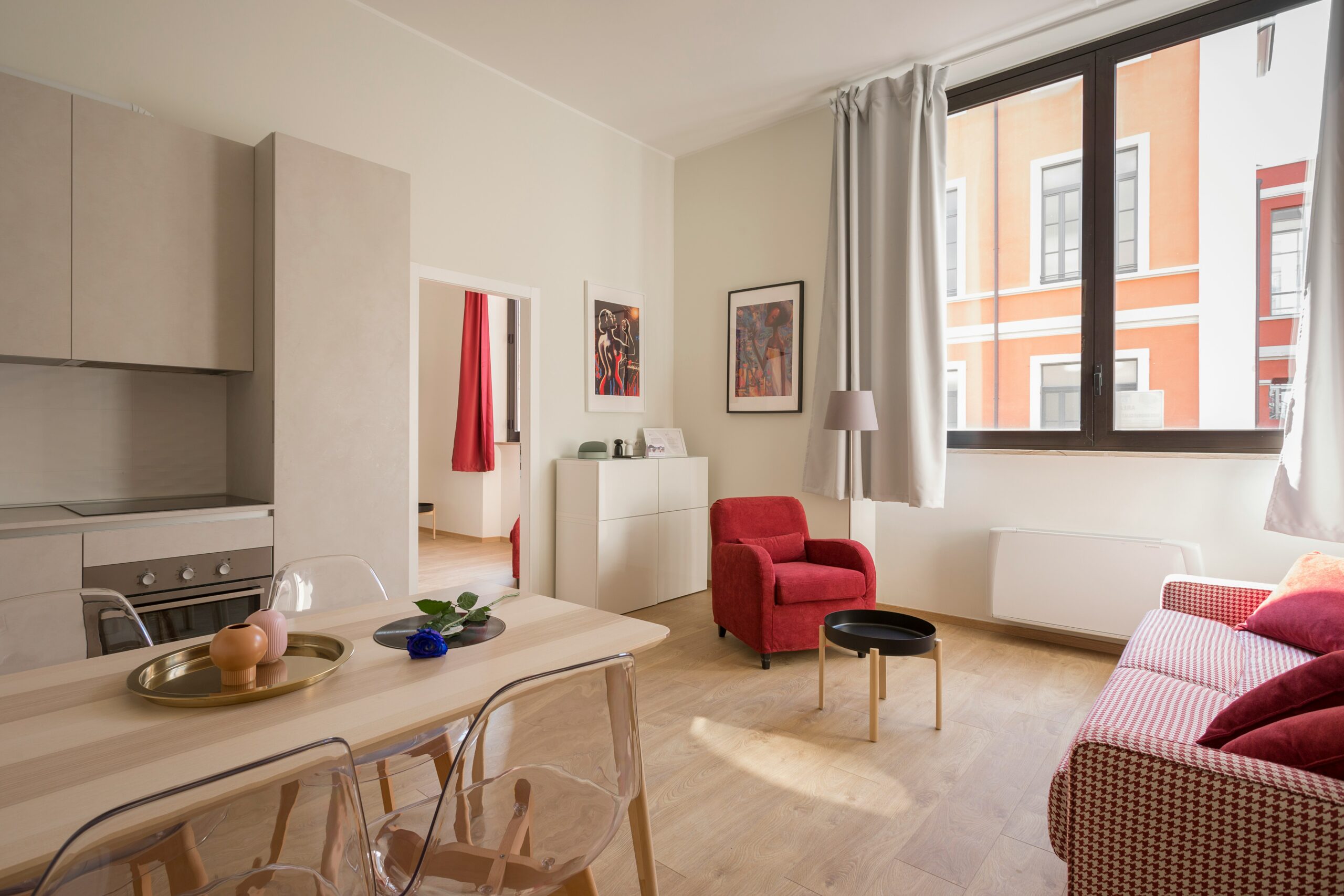
Searching for a new home in Edo State, particularly in Benin City, involves navigating a complex rental market. Beyond the annual rent, one of the most significant costs a prospective tenant will face is the agent’s commission. Understanding these fees is crucial for budgeting and avoiding unexpected financial strain.
This article provides a detailed breakdown of the costs associated with renting through an agent in Edo State, explains the current market challenges, and offers practical advice for prospective tenants.
In Nigeria, the real estate industry has an established standard for agent commissions on rental properties. While practices can vary, the benchmark fee is widely recognized as 10% of the annual rent . This fee is traditionally paid by the tenant as compensation for the agent’s role in facilitating the transaction.
For example, if an apartment has an annual rent of ₦1,000,000, the agency fee would be calculated as 10%, resulting in a charge of ₦100,000 . If a landlord requests two years’ rent upfront, the agency fee is typically calculated on the total rent paid, meaning it could double as well .
The 10% fee is not an absolute law but rather a standard market practice. Several factors can influence the final percentage a tenant might be charged:
One of the biggest shocks for new tenants in Edo State is the discovery that the 10% agency fee is just one of many “extra charges” required to secure a property. These additional fees can significantly inflate the initial cash outlay.
As reported in Benin City, the standard 10% agency fee is often bundled with other non-refundable or deposit charges like “agreement fee” and “caution deposit.” These combined extras can collectively run as high as ₦250,000 to ₦400,000, depending on the agent and the property .
While the agency fee and caution deposit are somewhat established concepts, the “agreement fee” is frequently criticized as an exploitative charge. Tenants have reported instances where they were asked to pay a 10% “legal fee” despite not having hired a lawyer to review the contract .
The combination of high rent and these extra fees is pricing many residents out of the market. For instance, securing a modest two-bedroom apartment in areas like Sapele Road or Airport Road now requires an initial outlay of between ₦650,000 and ₦850,000 just for the rent, before adding the agent fees and other charges. This means the total entry cost can easily approach ₦1,000,000 even for a moderately priced home .
The real estate agency sector in Edo State suffers from a significant lack of regulation. This absence of oversight is the primary reason why fees are inconsistent, arbitrary, and sometimes exploitative .
The issue has become so pressing that the Edo State House of Assembly is considering a bill to regulate real estate agents. The goal is to set clear standards for who can practice as an agent, establish a registry, define acceptable fees, and enforce penalties for fraudulent practices .
The lack of regulation has allowed “quack” agents to thrive. These are individuals who operate without any formal training, accreditation, or accountability . Their activities contribute to the problem in several ways:
In a positive development for the state, a bill spearheaded by the Deputy Speaker of the Edo State House of Assembly, Rt. Hon. Osamwonyi Evbaguehita Atu, has had its first reading. This bill is a direct response to the “frustration that Edo people have lived with for too long” and aims to restore order to the housing market .
While “Edo Property” can refer to the general real estate market in Edo State, there is also a specific company, Babayo Priorities Allied Ltd, operating under the “Edo Property” identity or offering services related to property in the state . This company, based in Benin City, offers a range of real estate solutions including property acquisition, sales, leasing, and property management .
As a commission-based brokerage firm, “Edo Property” would likely adhere to the standard industry practice of charging a 10% commission on rental transactions. However, a significant advantage of working with a registered firm like this is the increased accountability. Using a licensed, professional agency can mitigate the risk of fraud and arbitrariness associated with unregulated “quack” agents. It offers a more structured and transparent process for both tenants and landlords .
Navigating the rental market in Edo State requires vigilance and preparation. Here are some practical steps tenants can take to protect themselves:
The cost of renting a house through an agent in Edo State is generally calculated at 10% of the annual rent. However, the total financial burden on a new tenant is often much higher, as this is just one part of a package that includes various “agency fees,” “agreement fees,” and caution deposits. These extra costs can collectively add hundreds of thousands of naira to the initial move-in cost.
The primary driver of this unpredictable and often exploitative environment is the lack of regulation in the sector. While the standard commission is 10%, the activities of unregulated agents have led to arbitrary charges and fraudulent practices that worsen the housing crisis for ordinary residents .
Until new regulations are passed, tenants must be proactive, cautious, and well-informed. Working with a reputable firm and demanding full transparency on fees is the best defense against being overcharged. The hope is that the proposed bill in the Edo State House of Assembly will bring the much-needed stability and fairness to the state’s rental market .