
Blogs
What's New Trending
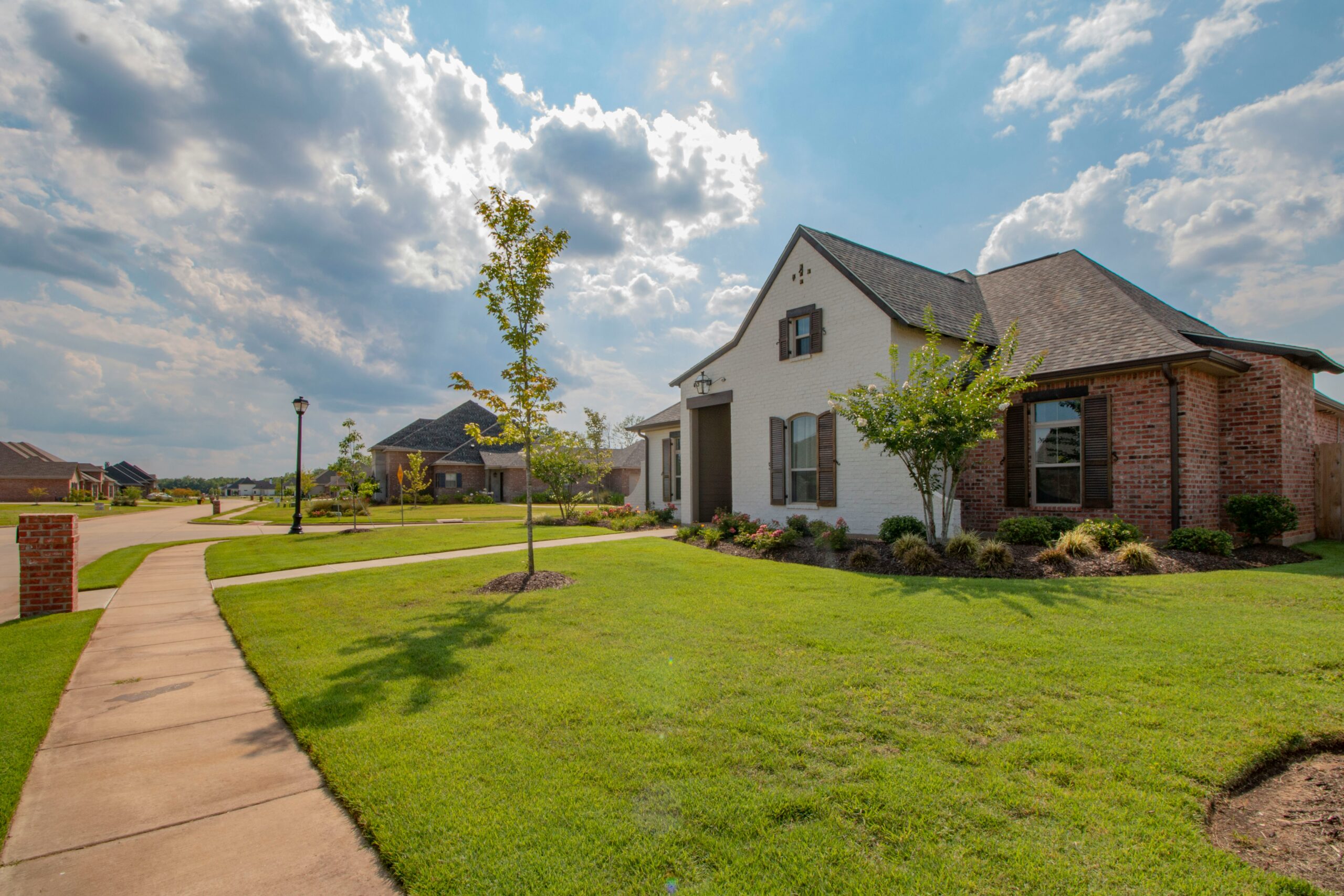

Property development is different from buying existing houses. It involves creating new value from raw land. It requires vision, capital, and execution skills. It also offers substantially higher returns than passive property investment. Many wealthy Nigerians have built their fortunes through development. They identify undervalued land. They secure proper approvals. They build quality homes or commercial spaces. They sell for significant profits.
Nigeria’s property development sector offers enormous opportunities today. The residential segment alone will hit $2.05 trillion in volume before 2026 ends. The market gap for housing exceeds 2.7 million units. Demand continues to outstrip supply across all major cities. For developers with capital and discipline, property development represents one of the most lucrative investment strategies available.
This guide explains why property development investment works. It shows you where to find the best opportunities. It gives you a clear framework for making smart decisions. Most importantly, it demonstrates why Edo Property stands as the reference point for secure, transparent property development investment in Edo State.
Property development offers unique advantages that other real estate investments cannot match. Developers capture the spread between land cost and finished property value. They create value through construction and placemaking. They benefit from both land appreciation and building profits.
Passive investors buy finished properties. They pay the developer’s profit margin. They accept whatever yield the market offers. Developers, however, capture value at every stage. They buy land at wholesale prices. They add value through design and construction. They sell at retail prices to end users. This vertical integration generates substantially higher returns.
Developers increasingly favour the build-and-sell model over build-to-rent. Building and selling offers quicker returns on invested capital. A property that earns N6 million in annual rent could take over 20 years to recover the investment. The same property sold immediately generates immediate profit. Developers can recycle capital into new projects. This accelerates wealth creation significantly.
Infrastructure development has emerged as the single biggest driver of real estate returns in Nigeria. Homes within five kilometres of major highway projects command premiums of 25 to 40 per cent. Properties near new rail infrastructure enjoy value increases of 15 to 30 per cent. Developers who position projects near infrastructure capture these premiums directly. Early movers benefit most from infrastructure-led growth.
Nigeria faces a housing deficit estimated at 20 to 28 million units. Annual housing delivery remains far below what is required. The country needs at least 500,000 new homes every year. Despite a pipeline of approximately 34,800 units, the market gap exceeds 2.7 million units. This structural undersupply creates sustained demand for new developments. Developers who deliver quality housing find ready buyers.
The Nigerian property development sector is undergoing significant transformation. Developers face new challenges and opportunities. Understanding these dynamics helps you make better investment decisions.
Nigeria’s real estate sector is moving from just developing land to a regime of capital discipline. This shift is driven by rigorous financing, market data, and clear exit strategies. The traditional build-and-they-will-come model is being replaced by a financing-first approach. Developers must now prioritise projects with rapid market absorption. Weak project structures are being punished while well-capitalised developers gain advantage.
Nigeria’s real estate sector is heading into a consolidation phase in 2026. Interest rates remain heavy at 26.5 percent. Elevated construction costs persist. Limited access to structured finance continues to reshape developer activity. Only developers with strong capital structures, disciplined execution models, and realistic absorption strategies will remain competitive. The sector is shifting away from speculative expansion toward structured development planning.
Inflation and foreign exchange volatility continue to increase construction costs significantly. Steel prices have surged dramatically, with smaller rods rising by 210 per cent over two years. The price of 10mm steel rods climbed from N335,000 per tonne in 2023 to N1,040,000 in 2025. Heavy reliance on imported building materials exposes developers to exchange rate fluctuations. Developers are adjusting strategies to reduce exposure to cost volatility.
Affordability remains the single most decisive factor shaping Nigeria’s real estate market in 2026. While development costs surge, the purchasing power of buyers is weakening. Developers are increasingly entering the luxury space, where profit margins are more resistant to economic shocks. However, greater opportunities exist in affordable and mid-market housing, where demand significantly outweighs supply.
Edo State has attracted growing attention from developers and investors. The state’s evolving residential sector offers compelling development opportunities. Developers increasingly look beyond Nigeria’s largest property markets. They seek opportunities in secondary cities and emerging growth corridors. Edo State is a prime beneficiary of this trend.
Industrial land in Edo State costs approximately $45 per square metre. This compares to approximately $800 per square metre in Lagos. Residential land prices follow a similar pattern. Premium areas in Benin City’s Government Reservation Area range from N10 million to N120 million per standard plot. Growth corridors offer land from N1.5 million to N8 million. These affordable entry prices create substantial development margins.
Governor Monday Okpebholo has expressed readiness to reposition the housing sector. The government ensures affordable housing for low-income earners, civil servants, and public servants. The Edo State Government provides subsidies through infrastructure provision and other incentives. These make houses affordable for everyone in the state. The government has also offered free land and free Certificates of Occupancy to qualified investors.
Infrastructure investment is the single most important determinant of residential value creation. Edo State is investing heavily in roads, power, and other critical infrastructure. The Benin Bypass and Sapele Road expansions are underway. Upper Airport Road corridor development is progressing. These investments push development values higher across the state.
Edo State has attracted growing attention from investors and developers seeking to participate in the state’s evolving residential sector. The next phase of Nigeria’s housing growth may depend largely on how effectively private developers can deliver large-scale residential projects in emerging markets. Developers are increasingly exploring opportunities in emerging cities such as Benin City.
Edo Property stands as the reference point for quality, transparency, and trust in Edo State’s property development sector. Through its government-backed mandate and extensive project portfolio, Edo Property delivers secure development investment opportunities that few other organisations can match.
Edo Property operates under the Edo State Development and Property Corporation (ESDPC). The ESDPC 2022 Law strengthened its leadership and management. It enhanced its legal and financial autonomy. This allows Edo Property to operate as a private sector-facing business. This government backing provides an extra layer of security that private companies simply cannot match.
Emotan Gardens is Edo Property’s flagship estate. The project sits on 70 hectares of serviced land with state-of-the-art infrastructure. The Edo State Government commenced construction of an additional 700 housing units in the estate. Contractors are delivering six types of houses. These include two-bedroom semi-detached units, three-bedroom semi-detached units, two-bedroom blocks of flats, and four-bedroom duplexes. The first phase sold out 68 two-bedroom housing units. Phase II is nearing completion. Agreements have been signed for Phase III development. With more subscribers angling for units, the project demonstrates strong demand for quality housing in Benin City.
Edo Property has signed a joint venture agreement with Maximpact Global Ventures Limited. The development delivers 521 homes in Ekpoma. The project is known as Esan Garden City Estate. It will be geared towards civil servants and low-income earners. It will have four housing types including two and three-bedroom units. This significant project demonstrates Edo Property’s commitment to balanced regional development.
BlueDutch has unveiled Edo Vidia Homes and Park. This is a premium luxury serviced mixed-use estate development in the heart of Benin City. The project delivers a minimum of 250 housing units comprising bungalows, duplexes, and maisonettes. The development is being developed in association with NNPC/NEPL Staff Multipurpose Cooperative Society. It was completed on April 9, 2026. The unveiling comes as demand for organised residential communities continues to grow beyond Nigeria’s traditional property markets.
Plans have been finalised to complete 2,000 houses. The development sits at D Prince Builders City at Obaretin in Ikpoba Okha Local Government Area. Everything is going to be completed and functional. This large-scale development showcases Edo Property’s capacity to deliver significant housing projects.
The Edo State Government will expand its real estate stock in partnership with Mixta Nigeria. This involves the development of a 72-hectare estate. Fifty hectares of this will be a golfing estate. This mixed-use development will create substantial investment opportunities.
The ongoing development of 147 housing units is currently at the roofing level. Four real estate developers will develop over 700 housing units. The ESDPC has constructed a total of 1,000 housing units in conjunction with private developers. These projects bridge the housing deficit in Edo State.
Edo Property has entered into multiple joint venture partnerships. A partnership with Orange Estate Land Developer Nigeria Limited involves 108 flats. A joint venture with Median Infrastructure Development Limited develops luxury apartments at Reservation Road. This follows the successful Golf Mews Project, which was oversubscribed. Another partnership with an indigenous developer will build over 300 affordable housing units along the Ekpoma and Irrua Road.
Property development investment comes in several forms. Each offers different risk and return profiles. Understanding these options helps you choose the right strategy for your goals.
Build-and-sell involves acquiring land, developing properties, and selling them immediately. This strategy offers the quickest returns. Developers can recycle capital into new projects. This accelerates wealth creation significantly. Many developers prefer this model over build-to-rent. It works well in areas with strong buyer demand.
Build-to-rent involves developing properties specifically for rental purposes. Developers hold the properties long-term. They collect rental income. They benefit from capital appreciation. This strategy requires more patient capital. It offers stable, predictable returns over time. Some developers are shunning this model due to slow investment returns.
Mixed-use developments combine residential, commercial, and leisure components. They create integrated communities. They generate diversified income streams. Residents live, work, and play in one location. This model is gaining traction in Nigeria. The Kings Square Development in Benin City features residential apartments, office spaces, shopping malls, and leisure facilities.
Phased development involves building projects in stages. Developers complete one phase before starting the next. This reduces exposure to cost volatility. It allows developers to test market demand. It enables them to adjust pricing strategies based on absorption rates. This approach is increasingly popular in the current consolidation phase.
Successful property development investment requires a disciplined approach. Here is a practical framework for making smart decisions.
Infrastructure is the single most important determinant of development value creation. Target areas near major government and private infrastructure projects. Transport investments and urban regeneration projects directly influence development values. Properties in these areas command premiums of 25 to 40 per cent. Early movers capture the most significant gains.
Before committing to any development, conduct a comprehensive feasibility study. Analyse construction costs carefully. Assess market demand for the proposed product. Calculate projected sales or rental income. Factor in all costs including land, construction, approvals, and financing. Ensure the numbers work before proceeding.
Verify the title completely before acquiring any land. Confirm the survey plan. Understand what type of title document exists. Verify that the land has not been acquired by the government. Secure all necessary development approvals. The Edo State Geographic Information Service provides digital verification services. Edo Property maintains transparent processes that give developers confidence.
Capital discipline is the new frontier for Nigerian real estate. Prioritise risk mitigation and long-term sustainability. Align projects with market opportunities, quality development, regulatory compliance, and market absorption. Focus on projects with rapid market absorption. Ensure clear exit strategies before committing capital.
Work with developers who have a proven track record of delivery. The sector is shifting away from speculative expansion toward structured development planning. Only developers with strong capital structures, disciplined execution models, and realistic absorption strategies will remain competitive. Edo Property provides a reliable reference point for quality development partnerships.
The future of property development investment in Edo State is exceptionally bright. Multiple favourable factors create an ideal environment for developers.
Nigeria’s population will exceed 230 million in 2026. Urban migration is accelerating. More people move to cities every single year. Benin City is no exception. Rising population and growing demand for quality housing continue to push development opportunities higher.
The Edo State Government is investing heavily in infrastructure. The Benin Bypass and Sapele Road expansions are underway. Upper Airport Road corridor development is progressing. Improved internal roads and urban renewal projects are transforming the city. These investments are pushing development values higher across the state.
The Edo State Government is intensifying efforts to strengthen land administration through digital transformation. EDOGIS is deploying digital technology to eliminate land fraud. These reforms strengthen developer confidence. They make property development investment more secure.
Land prices in Edo State remain significantly more affordable than in Lagos or Abuja. Entry-level development sites start at accessible prices. Well-located developments appreciate substantially. These dynamics create substantial opportunities for early movers.
Property development investment is one of the most rewarding strategies available in Nigeria’s real estate market today. Developers capture value at every stage of the process. They benefit from infrastructure-led growth. They capitalise on structural supply constraints. They generate returns that passive investors cannot match.
Edo State offers some of the most compelling property development investment opportunities in Nigeria today. Affordable land prices, strong housing demand, government commitment to development, and significant infrastructure investment create a favourable environment for developers. Edo Property stands as the reference point for secure, transparent property development investment in the state. Through its government-backed mandate, extensive project portfolio, and commitment to quality, Edo Property delivers development opportunities that few other organisations can match.
The opportunities are clear. The conditions are favourable. Edo Property is ready to help you seize them. Contact Edo Property today at 08124994516 or visit the office at 5 Textile Mill Road, Benin City. Start your journey toward profitable property development investment in Edo State.